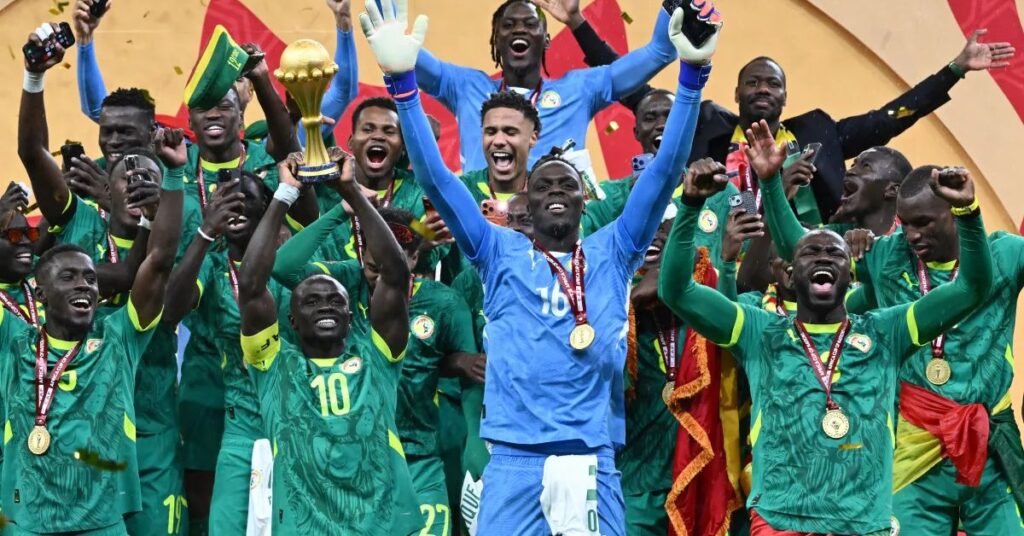

The Africa Cup of Nations (AFCON) has always been celebrated for its passion, drama, and unpredictability. Yet, in recent editions, footballing brilliance has often been overshadowed by a growing and uncomfortable narrative — controversial refereeing decisions. From disputed penalties and inconsistent VAR calls to chaotic match management, AFCON refereeing has increasingly found itself under fire, prompting critics to say that the officials, not the players, are stealing the spotlight.
As debates rage across fans, pundits, and former players, one conclusion is gaining traction: AFCON refereeing has “got a red card” — not in a literal sense, but as a symbol of eroded trust, credibility, and confidence in officiating standards.
AFCON: A Tournament of Emotion and Intensity
AFCON is unlike any other continental competition. Matches are:
- Fiercely contested
- Emotionally charged
- Played in challenging conditions
This intensity places enormous pressure on referees, who must manage not just the laws of the game but also volatile atmospheres, national pride, and high stakes.
However, pressure alone does not explain the recurring officiating controversies.
Controversial Decisions Dominate Headlines
In recent AFCON tournaments, refereeing decisions have repeatedly become headline stories — often eclipsing match results themselves.
Common flashpoints include:
- Soft or debatable penalties
- Unexplained VAR reversals
- Inconsistent foul interpretation
- Poor timekeeping and added-time confusion
Instead of celebrating goals and tactics, fans are left debating referees.
Penalty Calls: The Biggest Source of Anger
Few decisions provoke outrage like penalties, and AFCON has seen no shortage of them.
Criticism often centres on:
- Minimal contact resulting in penalties
- Identical challenges judged differently in separate matches
- Lack of clear explanations from officials
For teams eliminated due to such calls, frustration quickly turns into accusations of bias or incompetence.
VAR: Solution or New Problem?
VAR was introduced at AFCON to reduce errors and improve fairness. Instead, it has often deepened confusion.
Key VAR-related issues include:
- Long delays without communication
- Decisions that contradict on-field logic
- Inconsistent use across matches
Rather than adding clarity, VAR has sometimes amplified controversy.
Inconsistency: The Core Complaint
Perhaps the most damaging criticism is inconsistency.
Fans and coaches argue that:
- The same foul is penalised in one match and ignored in another
- Handball interpretations change game to game
- Refereeing standards vary wildly
Inconsistency erodes trust faster than any single mistake.
Players and Coaches Speak Out
Normally cautious in public, players and coaches at AFCON have increasingly voiced frustration.
Post-match comments have included:
- Claims of “unfair treatment”
- Questions about refereeing competence
- Calls for greater accountability
When professionals risk sanctions to speak out, it signals deep dissatisfaction.
Matches Descending Into Chaos
Some AFCON games have spiralled into disorder due to officiating breakdowns.
Contributing factors include:
- Loss of control over player discipline
- Confusion over stoppage time
- Inadequate communication with captains
In extreme cases, matches have seen confrontations, walk-offs, or prolonged protests.
Timekeeping Controversies
One recurring AFCON issue is inconsistent timekeeping.
Fans have questioned:
- Why matches extend far beyond added time
- Why others end abruptly
- Lack of transparency over stoppages
Such uncertainty fuels suspicion and controversy.
Referees Under Immense Pressure
It is important to acknowledge the environment AFCON referees operate in:
- Hostile crowds
- Extreme heat
- High political and national tension
Yet, elite tournaments demand elite officiating — pressure cannot excuse repeated failures.
CAF’s Role Under the Spotlight
The Confederation of African Football (CAF) now faces serious questions.
Critics ask:
- Are referees adequately trained?
- Is VAR implementation effective?
- Why is accountability rarely visible?
CAF’s handling of refereeing standards is central to restoring trust.
Lack of Transparency Fuels Distrust
Unlike some other competitions, AFCON offers limited post-match explanations for controversial calls.
The absence of:
- Audio releases
- Official referee reviews
- Clear disciplinary updates
creates an information vacuum — quickly filled by speculation and anger.
Comparison With Other Tournaments
AFCON is often compared to:
- UEFA European Championship
- Copa América
- FIFA World Cup
While controversies exist everywhere, critics argue AFCON suffers from frequency and severity, not isolated errors.
Impact on Smaller Nations
Refereeing controversies hit smaller teams hardest.
For underdogs:
- One wrong call can end a historic run
- There is little margin for recovery
- Perceptions of unfairness linger longer
This undermines AFCON’s reputation as a platform for opportunity.
Fans’ Trust at Risk
Football thrives on belief in fairness.
When fans begin to feel:
- Outcomes are unpredictable due to officials
- Rules are applied arbitrarily
- Technology does not help
the emotional connection to the tournament weakens.
Former Referees Weigh In
Several former referees have highlighted structural issues, such as:
- Inconsistent referee education
- Limited VAR training
- Poor communication protocols
Their message is clear: problems are systemic, not accidental.
Social Media Amplifies Every Error
In the digital age, every refereeing decision is:
- Instantly replayed
- Slowed down
- Analysed globally
AFCON referees face scrutiny like never before — mistakes feel magnified.
Are Referees Properly Supported?
Beyond criticism, there is concern about referee support.
Questions include:
- Are officials mentally prepared?
- Do they receive psychological training?
- Is there mentorship and performance review?
Better support could lead to better decisions.
The Cost to AFCON’s Image
Repeated refereeing controversies risk damaging AFCON’s global image.
Potential consequences:
- Reduced commercial appeal
- Negative international perception
- Distraction from footballing quality
AFCON deserves to be known for its talent, not turmoil.
What Needs to Change Immediately
Experts suggest several urgent reforms:
- Standardised VAR protocols
- Public explanations for major decisions
- Clear timekeeping rules
- Stronger referee assessment systems
Without change, criticism will only intensify.
Long-Term Solutions for CAF
For lasting improvement, CAF may need to:
- Invest heavily in referee development
- Partner with global officiating bodies
- Increase transparency and accountability
Refereeing must evolve alongside the game.
Players Deserve the Spotlight — Not Referees
At its heart, football is about players, teams, and moments of brilliance.
When referees dominate conversations, something has gone wrong.
AFCON’s incredible goals, tactics, and stories deserve centre stage.
A Tournament Too Big for Officiating Failures
AFCON has grown into a major global event.
With that growth comes responsibility:
- Higher standards
- Professional consistency
- Global credibility
Refereeing must match the tournament’s stature.
Can Trust Be Rebuilt?
Yes — but only through action.
Transparency, accountability, and improvement can restore confidence.
Fans are passionate, but they are also forgiving when change is visible.
Conclusion
The phrase “Africa Cup of Nations refereeing gets a red card” captures widespread frustration, but it also signals a call for reform. AFCON remains one of football’s most vibrant and compelling tournaments, yet its brilliance is too often overshadowed by officiating controversies that damage trust and distract from the game.
For CAF, this moment represents a crossroads. Addressing refereeing standards decisively can protect AFCON’s future and restore faith among players, fans, and the global football community. If ignored, the controversies risk becoming the tournament’s defining storyline — and that would be the biggest loss of all.